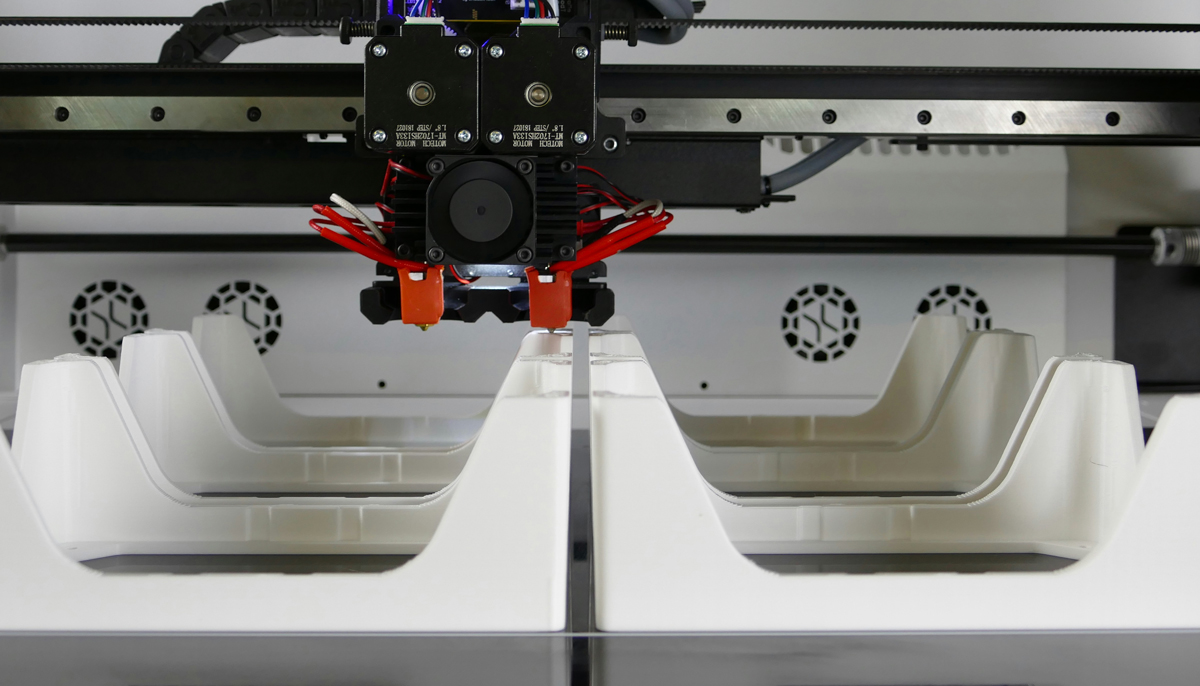
In the realm of additive manufacturing, Fused Deposition Modelling (FDM) stands out as one of the most popular and accessible 3D printing technologies. FDM printers create objects layer by layer using thermoplastic materials, offering versatility and affordability to users. However, amidst the excitement of bringing ideas to life, a common question arises: How long does FDM 3D printing actually take?
Understanding the timeframes and factors influencing FDM printing duration is crucial for managing expectations and optimising production processes. Let’s explore the intricacies of FDM technology to uncover the answers.
The Basics of FDM Printing Timeframes
Fused Deposition Modelling (FDM) involves extruding thermoplastic filaments through a heated nozzle, which deposits layers of material to create a 3D object. The time it takes to complete an FDM print depends on several key factors:
- Model Complexity:
- Size: Larger models require more material and consequently more time to print.
- Intricacy: Highly detailed designs with complex geometries demand more time as the printer meticulously lays down each layer.
- Layer Height and Resolution:
- Layer Height: Thinner layers result in smoother surfaces and finer details but increase printing time.
- Resolution: Higher resolutions lead to crisper details but may extend printing duration due to the increased number of layers.
- Infill Density and Shell Thickness:
- Infill Density: Adjusting the infill density (internal structure of the print) affects both strength and printing time. Higher infill densities increase material usage and extend printing time.
- Shell Thickness: Thicker outer shells may reduce printing time but can impact surface quality and structural integrity.
- Printing Speed and Quality Settings:
- Speed vs. Quality: Faster print speeds reduce printing time but may sacrifice surface quality and accuracy. Slower speeds ensure higher precision but extend printing duration.
- Optimised Settings: Fine-tuning printer settings based on the desired balance between speed and quality can help optimise printing time.
- Support Structures:
- Overhangs and Bridges: Prints with overhangs or intricate features may require support structures, adding time to the printing process as they must be printed and subsequently removed.
- Multi-Coloured Prints:
- Colour Changes: For multi-coloured prints, the printer may need to pause to change filaments, which can increase printing time significantly depending on the number of colour changes required.
Real-World Examples
To provide practical insights, let’s consider some examples of FDM printing timeframes:
- Small, Simple Object (e.g., a keychain): This might take anywhere from 30 minutes to a few hours to print, depending on the complexity and desired resolution.
- Medium-Sized Object (e.g., a phone case): Printing times could range from 4 to 10 hours, depending on intricacy and resolution requirements.
- Large, Complex Object (e.g., a detailed figurine): Such prints might take 12 hours or more, particularly if high resolution and intricate details are essential.
Tips for Optimising FDM Printing Time
- Design Optimisation: Simplifying designs and minimising overhangs can reduce the need for support structures and shorten printing time.
- Layer Height: Balancing layer thickness with desired resolution can help optimise printing time without compromising quality.
- Printer Maintenance: Regular maintenance and calibration ensure optimal performance and accurate prints, reducing the risk of errors and printing delays.
- Material Selection: Choosing the right type of filament and optimising print settings for specific applications can streamline the printing process.
Conclusion
While the question of how long FDM 3D printing takes varies depending on numerous factors, understanding the nuances of the technology empowers users to make informed decisions. From model complexity to printer settings, each variable plays a crucial role in determining the duration of the printing process in FDM technology.
By leveraging this knowledge and implementing best practices for optimisation, individuals and businesses can harness the full potential of FDM 3D printing, unlocking new possibilities for innovation and creativity in manufacturing. Whether you’re prototyping, producing end-use parts, or creating intricate designs, understanding the factors influencing FDM printing timeframes is essential for realising your vision efficiently and effectively.